St Hilda's College
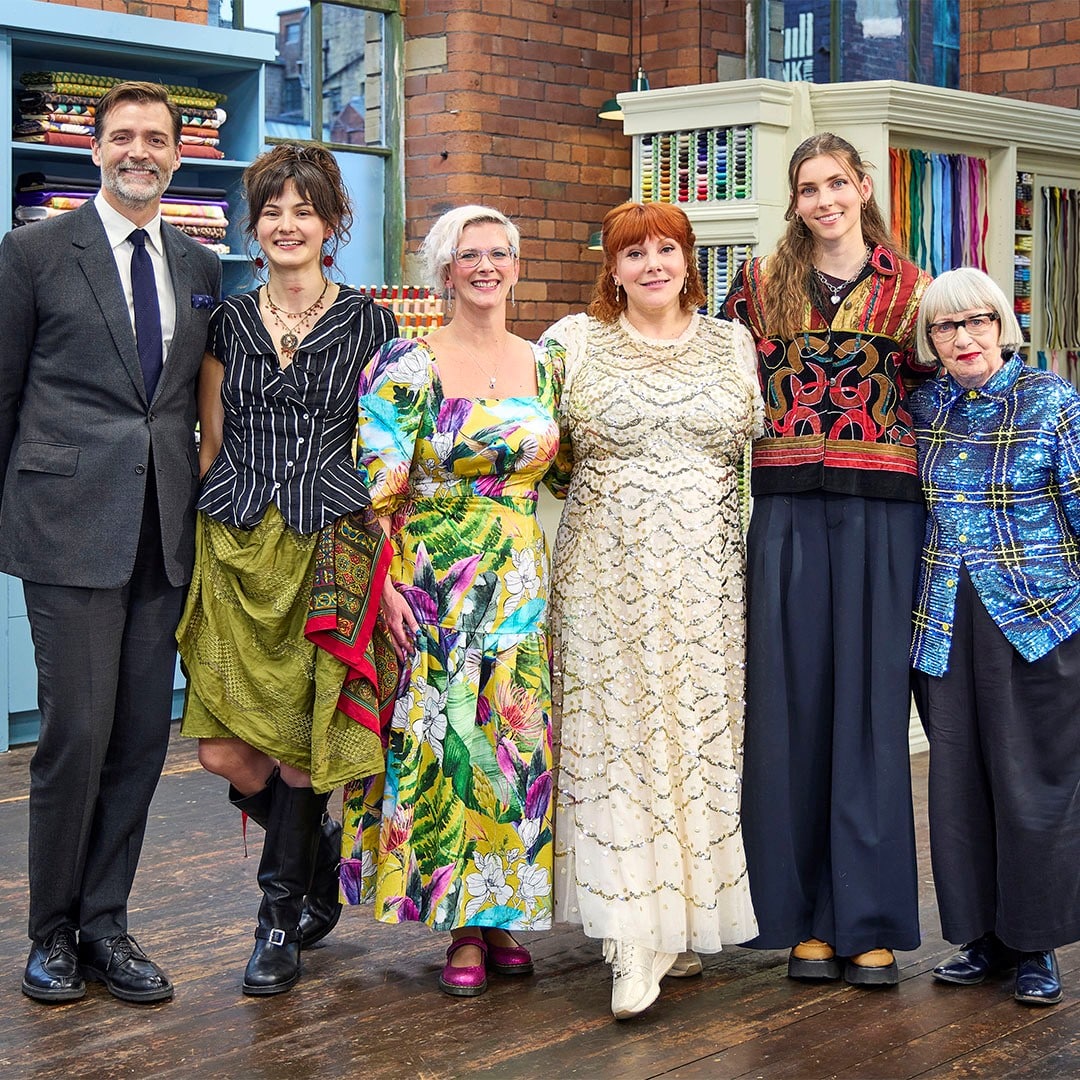
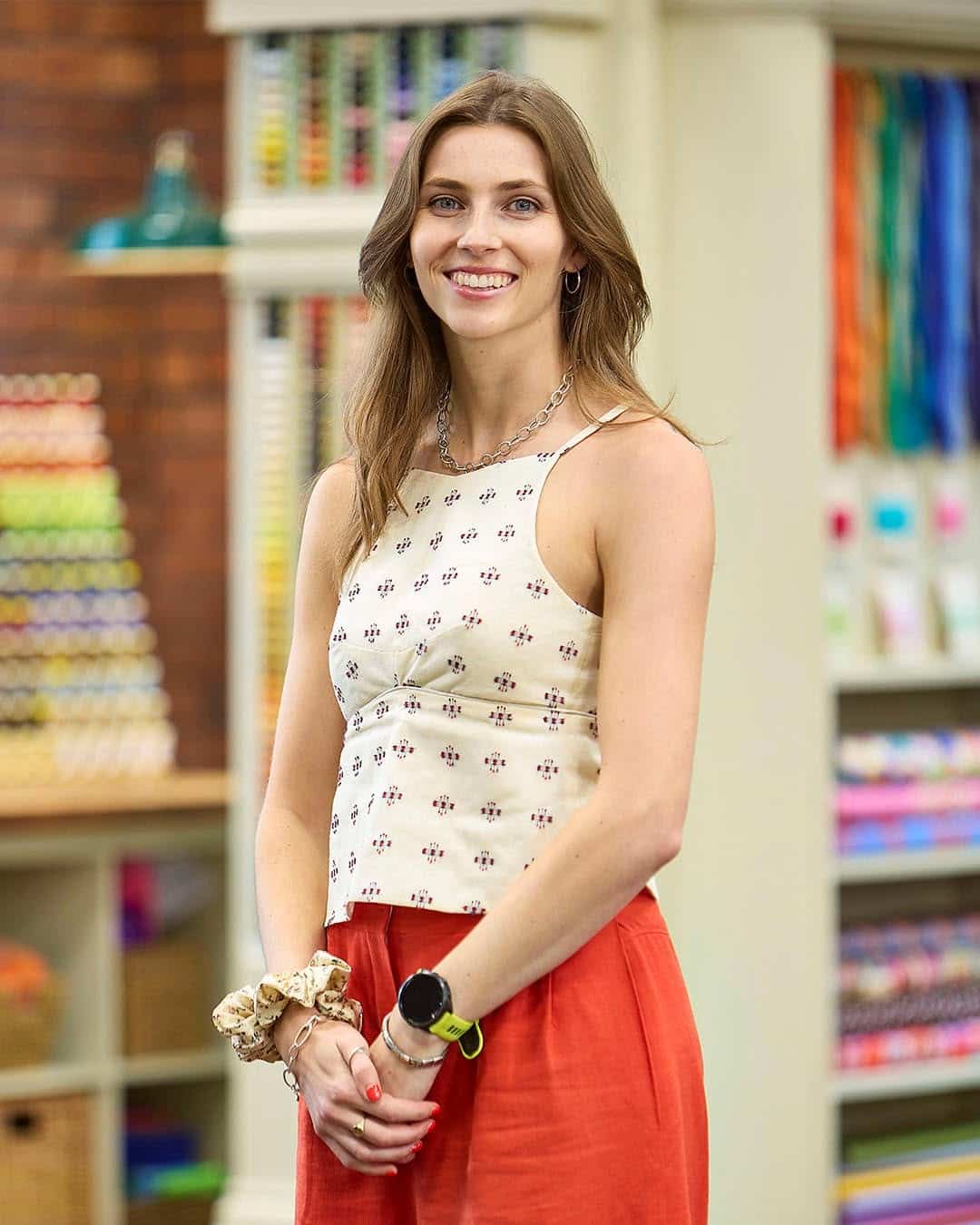
Great British Sewing Bee finalist and St Hilda's alumna Dr Beth Eames (Engineering, 2019) shares her story of the excitement of Sewing Bee and how her engineering mindset helped her throughout the competition.
Your journey into sewing: When did you first start sewing, what drew you to it, and how did it develop alongside your studies at Oxford?
I started sewing properly at 12 — my mum and I did try making pyjamas together when I was about 8, but I don't really count those, since they fell apart after a single wash! My grandma first introduced me to sewing, and then Carolyn at the Carolyn Rose School of Sewing taught me the foundations that I still rely on today.
Sewing became something much bigger once I got to Oxford. It turned into my stress relief and my creative outlet alongside an intense engineering degree, and a way of building a wardrobe that actually works for me. I have scoliosis, so being able to design and fit my own clothes — especially eveningwear — meant I could make things that sat well on my back and made me feel confident, in a way that was much harder to find off the shelf.
Getting onto the Sewing Bee: What made you decide to apply, and what was the journey from applying to finding yourself in the Sewing Bee like?
I'd wanted to do Sewing Bee for years — I love a challenge, and it felt like the ultimate one. Once I'd got through the process, keeping it secret was strangely easy, mainly because the whole thing felt like I'd stepped into another universe. It was amazing, but so far removed from my day-to-day life that it didn't always feel real. That said, there were a couple of people so close to my sewing journey that it was almost impossible not to tell them, because I knew how happy they'd be for me.
The experience itself: What was it like taking part and sewing under such intense time pressure? Were there any particular challenges, garments or moments that stand out to you?
Walking into the sewing room for the first time was incredible, and that feeling never really wore off — it was bigger than I expected, and the fabric and haberdashery were everything I'd hoped for.
Transformation challenges scared me the most, because as an engineer I like to give a lot of attention to detail and want things constructed and fitted properly, often from scratch, and that's just not possible in 90 minutes! The hand-stitching technical in the final was a real low point; I fell behind as I am not so familiar with hand sewing and struggled to follow the written instructions. But I'm proud I didn't let that trip me up, and using hand-stitching again in the following Transformation challenge, and being proud of what I made, felt like proving something to myself.
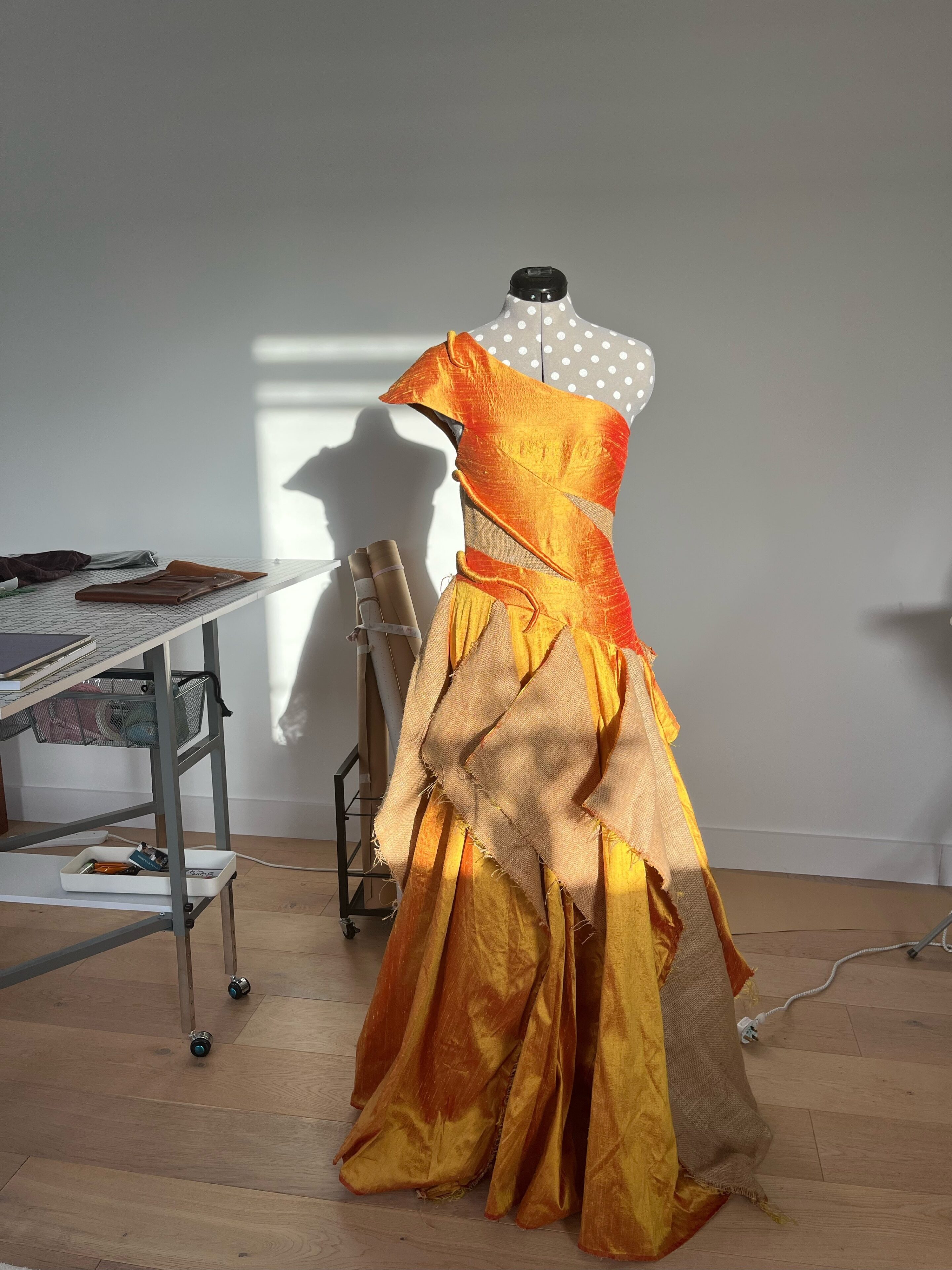
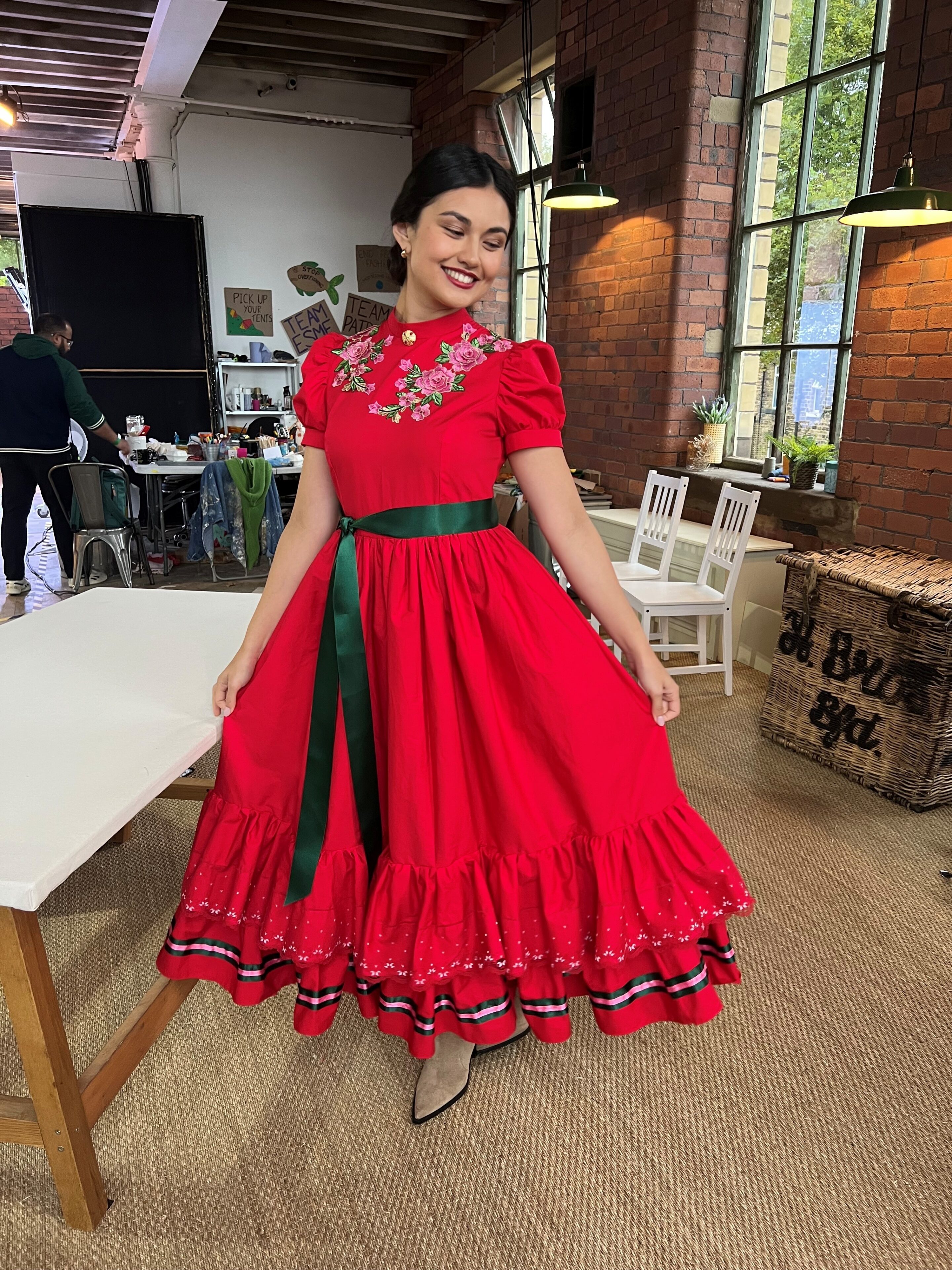
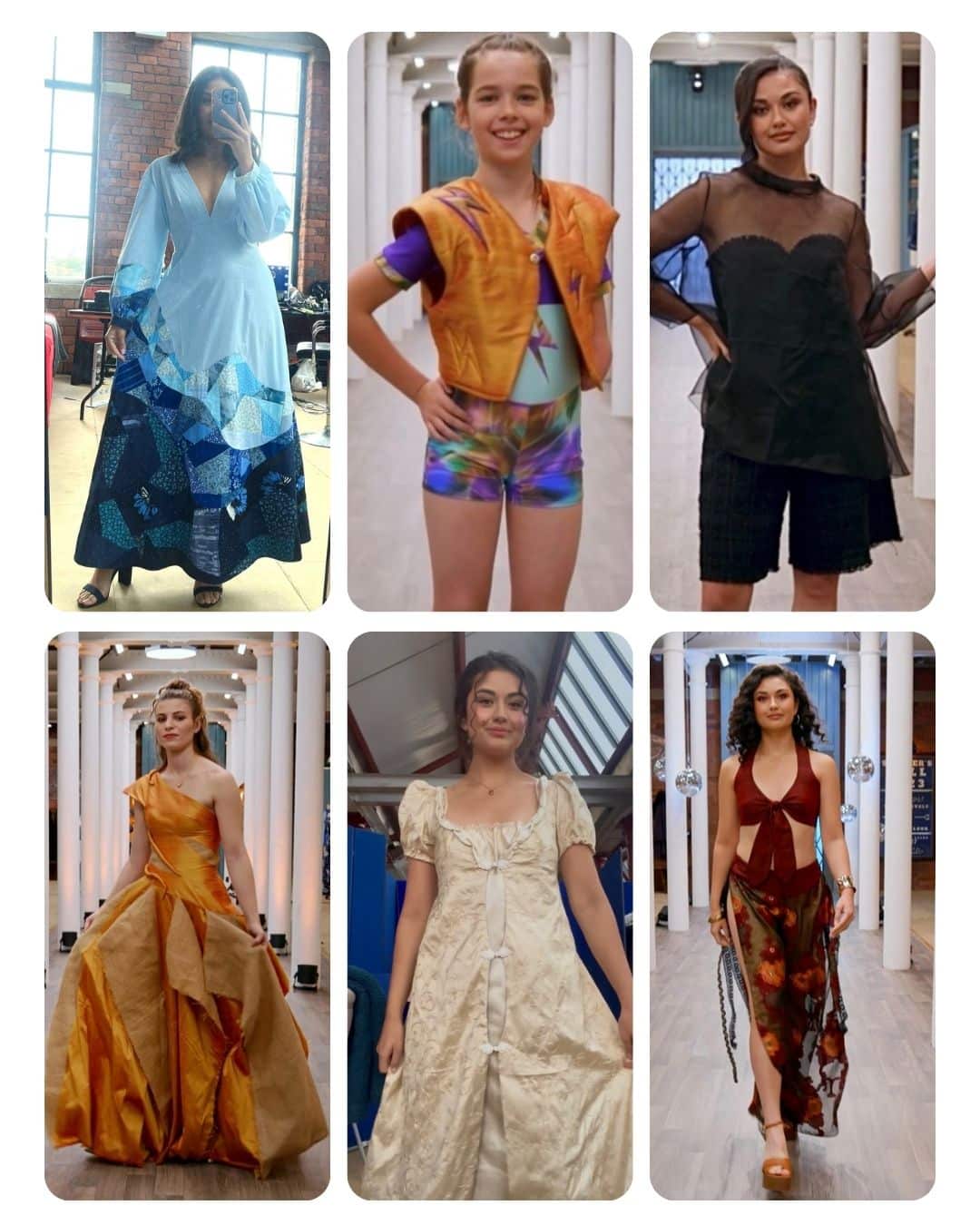
On the garments side, my favourite has to be my blue 'coming out of the sea' dress for the Week 2 Made to Measure inspired by my grandma's beautiful holiday dress, it felt like such an honour to design something for her. But the moment that will stay with me most is seeing my friend Skye walk the runway in the final in my Met Gala dress I'd made in five and a half hours. She looked incredible and it was a moment we had joked about ‘one day’ happening back when we were only 16 so it was particularly special
Engineering and sewing: Do you see connections between the way you approach engineering and the way you approach sewing and design? Did your engineering background help you during the competition in ways you perhaps hadn't expected?
There's a lot of crossover between how I approach engineering and how I approach sewing and design — pattern drafting especially as you are designing a 2D net for a 3D structure; once you understand the foundations, you can build exactly what you want.
What I hadn't fully expected was how directly my engineering mindset would help with the pressure. Staying calm in high-stress moments is genuinely one of my strengths, because I just go into problem-solving mode — mentally I know I need to deal with what's in front of me, keep moving, keep stitching, and not waste precious seconds spiralling. The garment isn't going to sew itself while I panic!
What you took from the experience: What did you learn about yourself through the Sewing Bee, and what does reaching the final mean to you?
I learned a huge amount about myself on the Bee, but the biggest thing was trust — a real belief that even when the pressure is on and things are going wrong, I can keep going, work it out, and be proud of what I've made. It tested my stamina and emotional resilience far more than I expected, and I came out the other side feeling like I could take on anything.
Reaching the final meant a huge amount, because it felt like recognition of my approach to designing, drafting, fitting and sewing — but honestly, whatever the outcome had been, I'd have been proud of what I shared. And I've come away with genuine friendships with the other Bees that I know will last well beyond the show.
Where you are now: Could you tell us a little more about your new role as a mechanical engineering consultant at TTP, how your time at Oxford has shaped what you're doing now, and where you hope both engineering and sewing might take you next?
I'm now working as a mechanical engineering consultant at TTP, which I love because every project is different — you're constantly solving new problems for new clients, which suits the way my brain works. My degree at Oxford gave me the technical grounding for that, but honestly, I think sewing taught me just as much about the discipline of making something properly, from concept through to a finished, working object.
Looking ahead, I've got so many ideas for where the sewing side of things might go. I'd love to use my engineering brain and my sewing experience to work as a pattern cutter at some point, and I'm really passionate about showing people that sewing is for everyone and can be such a powerful, rewarding skill. I'm excited to see where both engineering and sewing take me next — I don't think they need to stay in separate lanes.
See a selection of Beth's favourite garments below:
Missed the Sewing Bee? You can watch Beth in action on BBC iPlayer.