St Hilda's College
By Taeja Dawson-Smith (History and Politics, 2024)
From a village in rural Lincolnshire to a world-renowned career as a director, Philippa Lowthorpe’s journey from St Hilda’s into the creative work of directing is proof that courage, creativity and compassion can carry you far beyond what you once imagined possible. Current JCR President Taeja Dawson-Smith writes…
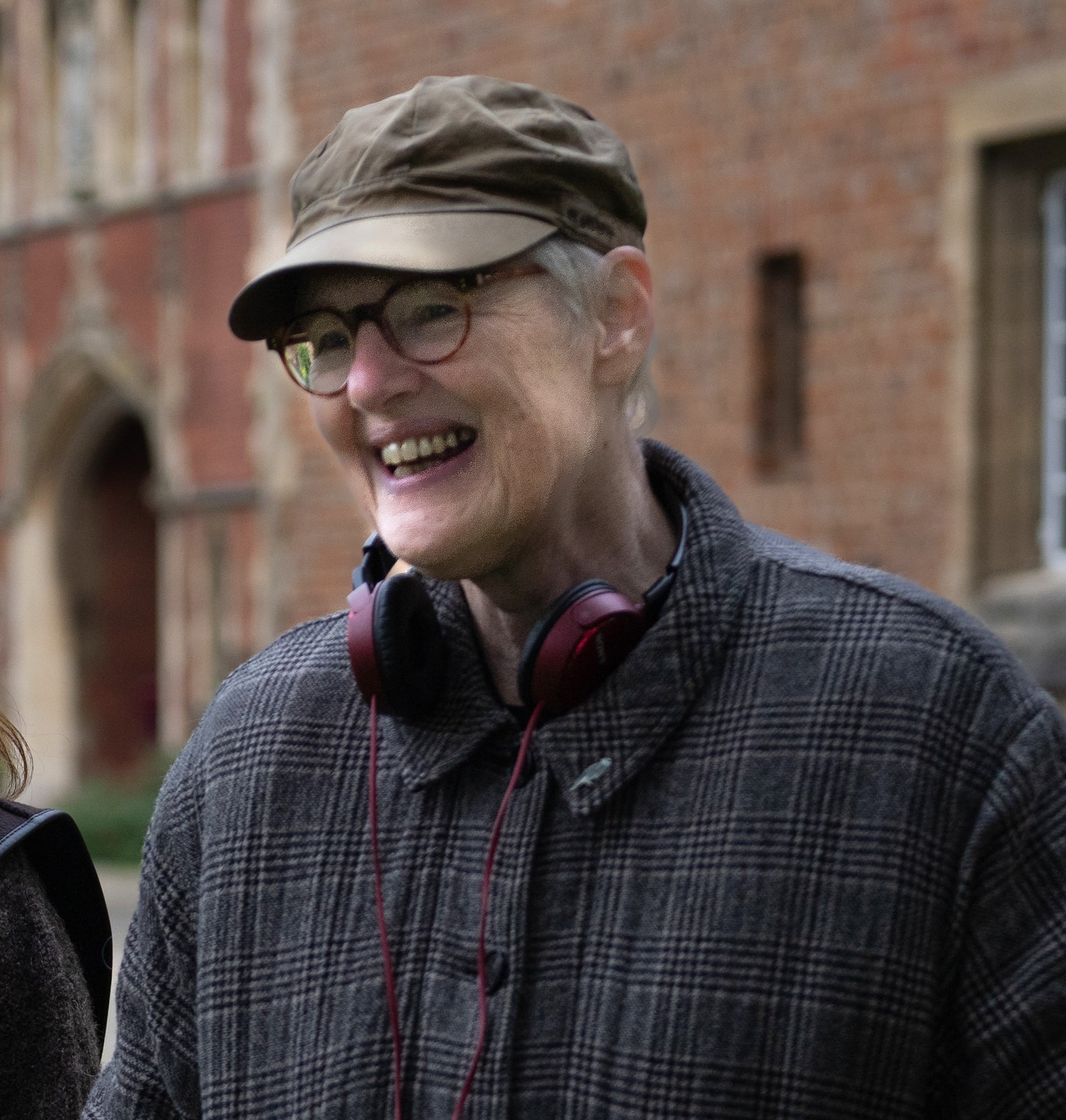
Phillipa Lowthorpe came to St Hilda’s in 1980, stepping into a world and a culture far removed from her upbringing in rural Lincolnshire. As the first in her family to go to university, to do Classics at Oxford, her journey to an established career in the creative arts industry was nothing short of extraordinary.
For Philippa, Oxford felt unfamiliar at first, in more ways than one. Not only was the Classics cohort of the time dominated by students from a very different background from her own, but there were also far few women at the University than there are now - even with St Hilda’s still an all-women's college at the time.
She recalls the dedication of St Hilda’s to outreach work for state school students and its impact in opening doors for students, like her, who might never have imagined themselves at Oxford. It was the ability to see herself in an institution like this one, that would give her the courage to pursue the career that she has done - constantly pushing boundaries and challenging the status quo to create space for voices that might otherwise go unheard.
Philippa did not anticipate an established career as a director when she was at St Hilda’s. Even with a strong passion for drama, and experience designing costumes for theatre performances put on across Oxford, she initially drifted into the world of Law before realising that it wasn’t for her. What truly excited her was storytelling, and bringing authentic, meaningful narratives to life. With no direct connections to the industry – coming from a family of farmers – she carved her own path, beginning her career in the arts working as a researcher for Yorkshire Television. This was a huge leap into the unknown, but one that would define the trajectory of her career.
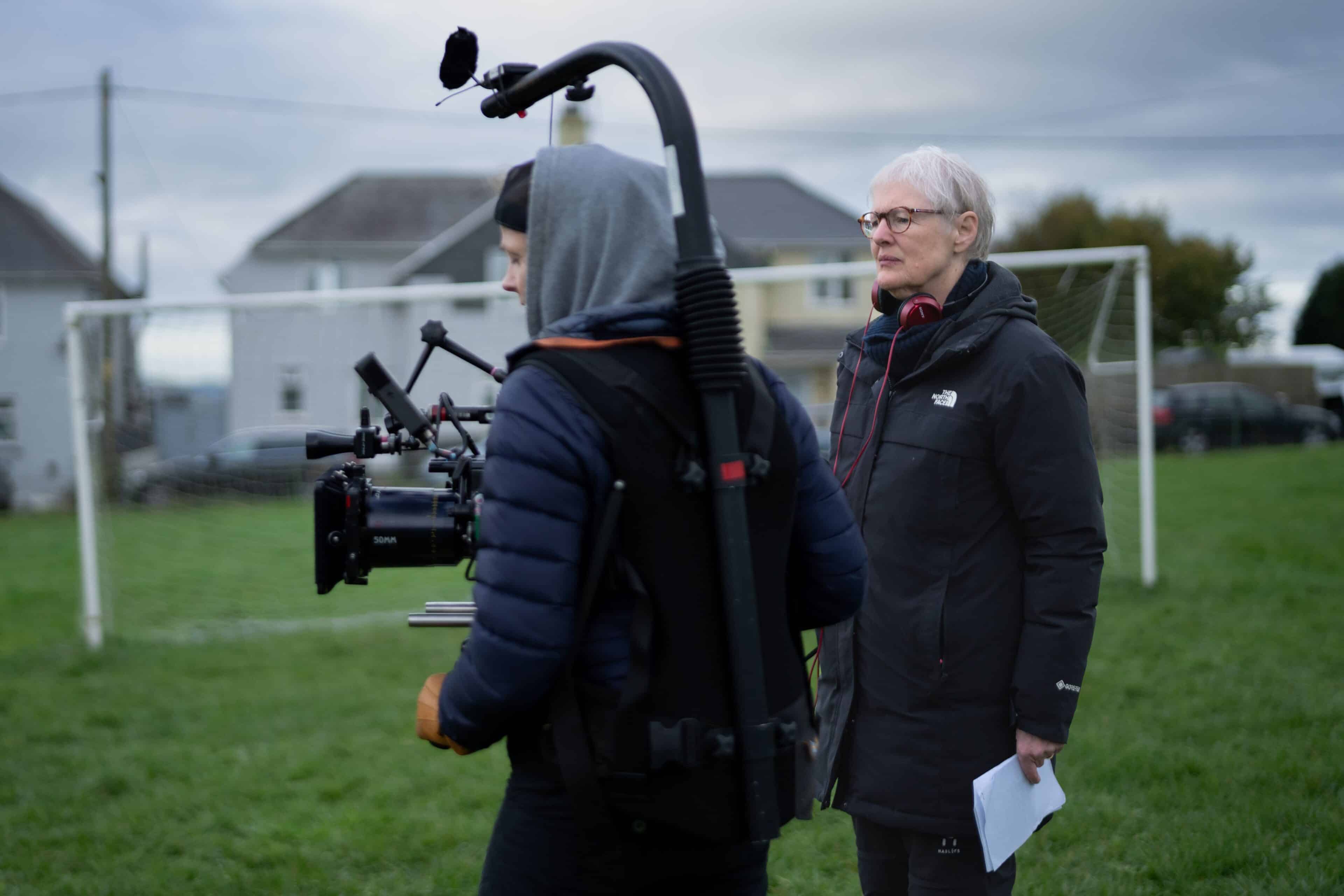
Lowthorpe has taken on a variety of projects within the industry, including directing The Crown and Three Girls . As a director, Lowthorpe describes her role as being present on the project from its beginning to end – shaping the vision and bringing every productive department into alignment with it. This was certainly true of her four-part limited drama series Prisoner 951, a powerful piece, which tells the story of our Sue Lloyd Robert’s Lecture speaker Nazanin Zaghari-Ratcliffe, an Iranian women imprisoned for six years in Iran. Blending the authenticity of Zaghari-Ratcliffe's experiences with a striking visual style, Philippa’s role as director was crucial to the success of how this impassioned narrative was told.
Entering the industry at a time when female directors were few, Lowthorpe did not initially expect the sexism heavily ingrained into the industry. She stresses that progress has been made, no doubt thanks to women like her paving the way for future generations, but she is clear that the journey was not without its challenges. Speaking candidly about universally experienced self-doubt and imposter syndrome, her advice is simple but powerful: measure yourself against who you were yesterday, rather than other people!
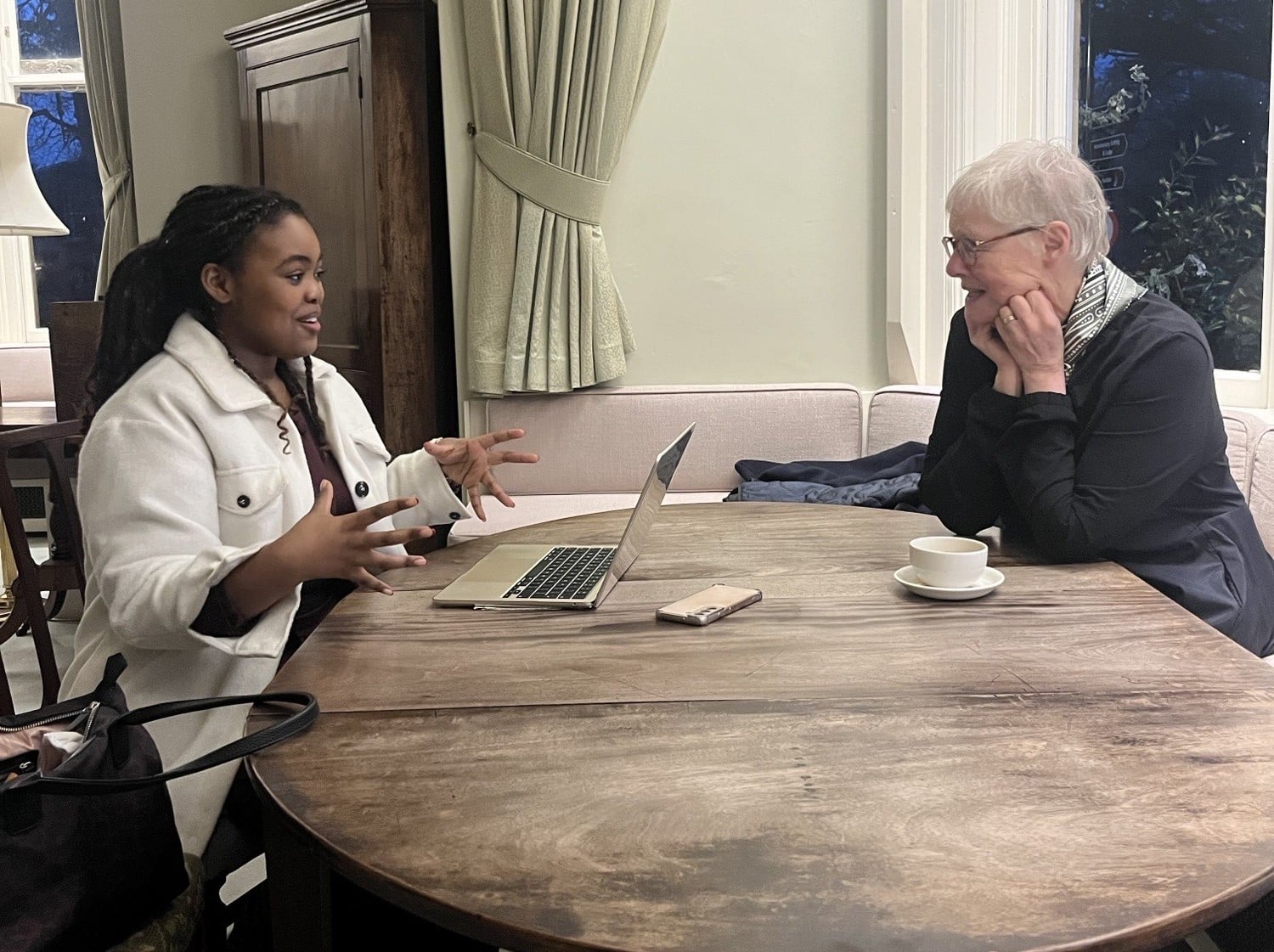
Every directing project, she says, is riddled with inevitable challenges waiting to surprise you. What matters is learning to hold your nerve and develop what she coins an “inner core of steel” - the ability and confidence to stand by your vision whilst remaining open to collaboration and growth.
For Philippa, directing is not about certainty from the outset; it is about navigating uncertainty with composure. For aspiring directors at St. Hilda’s, her message is encouraging. “Take in as much film and television as you can stand! (But remember to do your degree, too.) Discuss ideas that you find exciting, for directing itself is all about listening, communicating and bringing people together. Maybe try making a short film on your phone, alone or in collaboration with friends. There exists a multitude of ways to experiment productively and creatively like a director does, allowing students to develop the ability to tell stories effectively.”
Philippa’s latest film, H is for Hawk¸ starring Claire Foy was nominated for Outstanding British Film at the BAFTAs in 2026. Prisoner 951 is on BBC iPlayer.